

Why Reading to Babies Matters So Early
Reading to babies from the earliest weeks of life supports language development, bonding, and early literacy skills, even before a baby can understand the words themselves. Pediatric and early education experts consistently recommend reading aloud daily, since exposure to language patterns, rhythm, and repetition helps build the neural foundation for speech and comprehension long before a child starts talking.
Board Books for Newborns and Infants
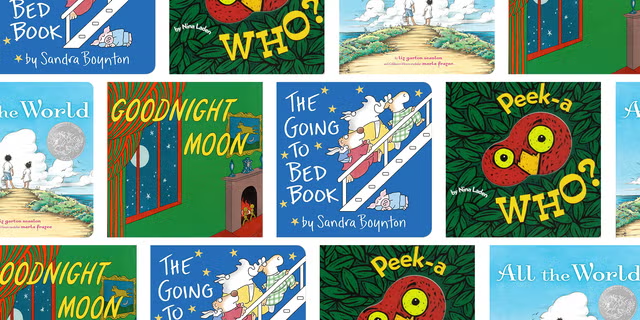
Board books are the most common format for very young babies, built with thick, durable pages that can withstand chewing, grabbing, and rough handling. Classic titles like Goodnight Moon, Brown Bear, Brown Bear, What Do You See?, and Pat the Bunny remain popular choices for newborns because of their simple, repetitive text and high-contrast or brightly colored illustrations, which are easier for developing infant vision to focus on.
Sensory and Interactive Baby Books
Touch-and-feel books, cloth books, and books with textures, flaps, or crinkly pages add a tactile dimension that helps engage babies who are still developing fine motor skills. These interactive elements encourage babies to physically explore the book alongside listening to the story, which can help extend attention span during reading time as babies grow into toddlerhood.
Books for Language and Vocabulary Building
As babies grow into the 6 to 12 month range, simple naming books, such as ones labeling animals, colors, or everyday objects, become especially useful for vocabulary building. Books with repetitive phrasing and predictable patterns, like Dear Zoo or Where Is Baby’s Belly Button?, help toddlers begin to anticipate what comes next, which supports both memory and early language skills.
Baby Memory Books and Keepsake Journals
Separate from books meant to be read to a baby, memory books are designed for parents to fill in with milestones, photos, and keepsakes over the child’s first year, such as first words, first steps, and growth measurements. These books have become popular baby shower gifts, and many parents treasure them as a lasting record of their child’s earliest months, distinct from books purchased purely for reading purposes.
Choosing Age-Appropriate Baby Books
For newborns up to about 6 months, high-contrast board books with simple shapes and patterns tend to work best, since infant vision is still developing. From 6 months to a year, textured and interactive books help support growing motor skills and curiosity. As babies approach their first birthday and beyond, simple story-based board books with basic plots start becoming appropriate, laying the groundwork for the transition into picture books in toddlerhood.
Building a Home Reading Routine Early
Establishing a consistent reading routine, such as a short book before naps or bedtime, helps babies associate reading with comfort and calm, which can make the habit easier to sustain as children grow older. Even a few minutes a day of reading aloud, regardless of how much a baby seems to be following the story itself, builds a foundation of language exposure and shared attention that supports development well beyond infancy.
Gift-Giving Guide for Baby Books
Baby books remain one of the most popular baby shower and newborn gifts, since they are practical, long-lasting, and can be personalized with an inscription for the parents to keep. A well-chosen selection combining a classic board book, a sensory or interactive title, and a keepsake memory book makes for a thoughtful and well-rounded gift set for new parents.
Personalized and Custom Baby Books
Custom baby books, which insert a child’s name and sometimes their photo directly into the story, have grown increasingly popular as keepsake gifts. These personalized titles can make a child feel like the main character of their own story from a very young age, and many parents find them especially meaningful as first birthday or milestone gifts, distinct from the more general-purpose board books used for daily reading.
Building a Home Library That Grows With Your Child
Many parents start a baby’s book collection with a small rotation of five to ten board books and gradually expand it as the child grows, mixing in new titles for birthdays and holidays. Organizing books at a child’s eye level in a low bookshelf or basket encourages independent exploration as toddlers get older, helping build a lifelong association between books and accessible, enjoyable exploration rather than something that only happens during designated reading time.
Signs a Baby Is Ready for Longer Books
As babies approach toddlerhood, parents can look for signs of readiness for slightly longer stories, such as sitting still for a full board book, pointing at pictures, or attempting to turn pages independently. At this stage, introducing simple picture books with a light narrative arc, rather than purely naming or sensory books, can help ease the transition into more traditional storytelling as a child’s attention span continues to develop.
Durability and Safety Considerations
Since babies explore books with their mouths as much as their eyes, safety matters as much as content when choosing titles for the youngest readers. Look for books labeled as safe for the intended age range, free of small or detachable parts, and made with non-toxic materials, particularly for cloth and bath books that will be handled and chewed on frequently during the first year.