
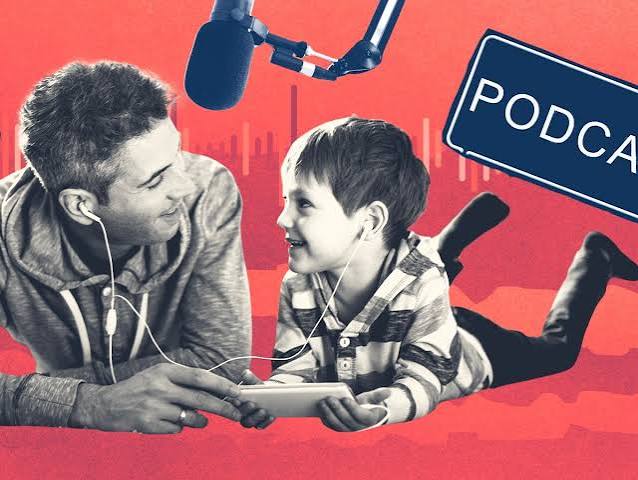

Why Podcasts Work So Well for Kids
Podcasts have become one of the most effective screen-free learning tools available to parents, giving kids the benefits of storytelling and factual content without a screen competing for their attention. Because audio content encourages kids to visualize and imagine rather than passively watch, many parents and educators find that podcasts build listening skills, vocabulary, and critical thinking in a way that works naturally during car rides, breakfast, or bedtime routines.
Top Picks for Younger Kids (Ages 3 to 6)
- Wow in the World, hosted by Guy Raz and Mindy Thomas, breaks down real scientific discoveries into silly, sound-effect-filled stories that keep young kids engaged.
- But Why: A Podcast for Curious Kids, produced by Vermont Public Radio, answers real questions kids ask, like why the sky is blue, with the help of actual experts.
- Sesame Street Podcast brings the trusted, familiar characters from the classic show into an audio format, making it a safe, comforting pick for the youngest listeners.
- Noodle Loaf focuses on music education for early elementary schoolers, exploring musical skills and songs in a way that doubles as a fun brain break.
Top Picks for Elementary-Age Kids
As kids move into elementary school, podcasts can start tackling more complex material while still keeping the tone playful. Brains On, a science podcast made by kids for kids, and shows like Who Was? and Who, When, Wow, which bring historical figures and events to life, are frequently recommended by teachers who use podcasts as part of classroom instruction, not just casual listening at home.
Podcasts for Tweens and Teens
Older kids and teens tend to gravitate toward podcasts that treat them more like adults, tackling deeper questions and real stories. The Moth: Student Stories features real teens sharing true personal stories on stage, while shows built around current events, presented in a kid-friendly but substantive way, help older elementary and middle school students start following the news without overwhelming them.
How Teachers Use Podcasts in the Classroom
Beyond casual family listening, many of these same podcasts have found a second life in classrooms, where teachers use them to introduce new units, spark discussion, or provide a break from traditional reading assignments. A history podcast episode might launch a new social studies unit, while a science-focused show can reinforce a concept already covered in class through a different storytelling format.
Tips for Choosing the Right Podcast
The best approach is starting with your child’s specific interests, whether that’s animals, space, music, or storytelling, rather than picking the single most popular show and hoping it sticks. Previewing an episode yourself before playing it for your child, and checking recommended age ranges, helps ensure the content matches both your child’s comprehension level and your family’s values around tone and subject matter.
Final Thoughts
Educational podcasts for kids have grown into a genuinely rich category, spanning science, history, music, and storytelling across every age group from toddlers through teens. Building a rotating playlist across a few trusted shows, rather than relying on just one, tends to keep kids engaged while exposing them to a broader range of topics and storytelling styles over time.