
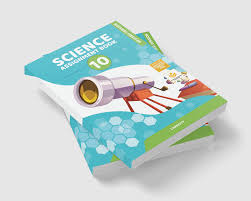

What a Class 10 Science Project Book Covers
A science project book for class 10 typically serves as a structured guide, walking students through the full process of planning, executing and documenting a science project — from selecting a suitable topic through to preparing a final written report or exhibition display. These resources often include sample project ideas across physics, chemistry and biology, along with guidance on formatting a proper project report.
For many students, this is often their first experience conducting an independent, self-directed piece of scientific work, making a clear, structured guide especially valuable for understanding what’s actually expected at each stage of the process.
Choosing a Strong Project Topic
A good class 10 science project topic strikes a balance between being genuinely interesting to the student and being realistically achievable with available materials, time and safety considerations. Topics that connect to everyday, observable phenomena — water purification methods, simple renewable energy demonstrations, or basic chemistry reactions with household materials — tend to be both engaging and practical to execute within a typical school timeline.
It’s worth avoiding overly ambitious topics that require specialised lab equipment or materials that aren’t reasonably accessible, since a well-executed simple project generally scores better than an ambitious one that couldn’t be properly completed or documented due to practical constraints.
Structuring the Project Properly
A well-organised science project typically follows a consistent structure: a clear title and objective, a brief background or introduction explaining the scientific principle involved, the materials and method used, observations and results, and a final conclusion connecting the results back to the original objective. Following this structure closely tends to make a project noticeably easier for evaluators to follow and assess fairly.
Including a short section on the real-world relevance or application of the project — why the topic matters beyond the classroom — often strengthens a project’s overall impression, showing that the student understands not just the mechanics of the experiment but its broader significance.
Documenting Observations Honestly
One of the most important habits in any science project is recording observations exactly as they occurred, even when results don’t perfectly match the expected theoretical outcome. Unexpected results, properly explained and analysed, often demonstrate stronger scientific understanding than results that suspiciously match theory perfectly without any acknowledgement of real-world variables or limitations.
Including a brief discussion of possible sources of error or limitations in the project methodology — even for a simple school project — reflects genuine scientific thinking and tends to be viewed favourably by evaluators familiar with how real experimental work actually unfolds.
Preparing for a Science Exhibition or Presentation
If the project involves a live presentation or exhibition component, being able to explain the project clearly and confidently — without simply reading from a prepared script — tends to leave a stronger impression than a technically excellent project presented poorly. Practising a clear, concise explanation of the objective, method and key findings in advance makes a noticeable difference during live evaluation.
Preparing for likely follow-up questions about the underlying scientific principle, rather than just the mechanics of what was built or tested, also helps demonstrate a deeper understanding that goes beyond simply following a set of instructions from a project book.
Avoiding Common Project Mistakes
Common pitfalls include choosing a topic purely because it looks impressive without fully understanding the underlying science, rushing the documentation stage after focusing most of the effort on the physical build or experiment, and failing to test or troubleshoot the project well before the actual submission or presentation deadline.
Starting early enough to allow for at least one round of troubleshooting and revision — rather than finishing the project the night before it’s due — consistently produces stronger, more polished final results than last-minute execution.
Getting the Most Out of a Project Book’s Sample Ideas
Most science project books include a list of sample project ideas to help students get started, but simply copying one of these ideas exactly, without adapting or personalising it in some way, often results in a fairly generic project that doesn’t stand out much from what many other students in the same class or exhibition are also submitting.
A more effective approach is using a sample idea as a starting point, then adjusting the scope, testing a slightly different variable, or applying it to a locally relevant context — for example, testing water purification methods using locally available materials rather than the exact ones listed in the book. This kind of thoughtful adaptation tends to demonstrate stronger independent thinking than an unmodified, textbook-identical project.
Final Thoughts
A good science project book for class 10 provides valuable structure, but the strongest projects ultimately come from genuine curiosity, honest documentation and careful planning rather than simply following a template mechanically. Choosing an achievable, genuinely interesting topic and documenting the process thoroughly and honestly tends to produce both a stronger grade and a much more rewarding learning experience.