

What Makes a Toy Genuinely Educational
A truly educational toy does more than carry an “educational” label on the box; it actively supports a specific developmental skill, whether that’s fine motor coordination, early literacy, spatial reasoning, or social-emotional learning, through the way a child actually interacts with it. The best educational toys tend to share a few common traits: they’re open-ended, age-appropriate, and engaging enough that kids choose to play with them repeatedly rather than losing interest quickly.
Best Educational Toys by Age Group
- Infants and young toddlers benefit most from sensory toys, soft blocks, and simple cause-and-effect toys like buttons that trigger sounds or lights.
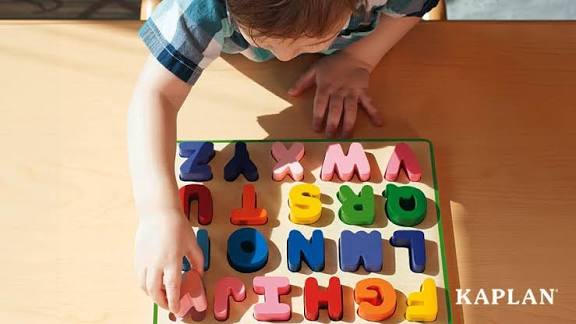
- Toddlers around age 2 to 3 do well with shape sorters, chunky puzzles, stacking toys, and simple pretend-play sets that build fine motor skills and early language.
- Preschoolers ages 4 to 5 are ready for more complex building sets, beginner board games, and STEM-focused construction toys like take-apart building kits.
- Elementary-age kids benefit from more advanced building sets, science experiment kits, coding-adjacent toys, and strategy-based board games.
- Older kids and tweens tend to engage well with more advanced STEM kits, robotics sets, and complex construction toys that require multi-step problem-solving.
STEM Toys and Their Growing Popularity
STEM-focused toys, those built around science, technology, engineering, and math concepts, have grown substantially in popularity as parents increasingly prioritize toys that build problem-solving and critical thinking skills alongside traditional play value. Building sets, simple robotics kits, and take-apart construction toys all fall into this category, giving kids hands-on experience with cause-and-effect, spatial reasoning, and basic engineering concepts well before they’d encounter similar ideas in a formal classroom.
The Value of Open-Ended Toys
Toys without a single fixed way to play, like building blocks, art supplies, or simple pretend-play sets, tend to offer more sustained educational value than toys with only one function, since they grow alongside a child’s evolving skills and encourage creativity and independent problem-solving. A set of wooden blocks, for example, remains just as engaging for a 6-year-old building complex structures as it was for that same child at age 2 simply stacking and knocking them down.
Balancing Screen-Based and Hands-On Educational Toys
While educational apps and screen-based learning tools have their place, hands-on physical toys offer tactile, sensory engagement that screen-based alternatives simply can’t replicate, particularly for younger children still developing fine motor skills. Many child development experts recommend prioritizing hands-on toys for the bulk of unstructured play time, reserving educational screen time as a smaller supplementary piece of a broader play routine.
What to Avoid When Shopping for Educational Toys
Toys that are overly complex or advanced for a child’s current developmental stage tend to cause frustration rather than genuine learning, while toys that are too simple fail to hold sustained interest. Checking age recommendations, reading reviews from other parents about actual real-world engagement, and avoiding toys chosen purely for their “educational” marketing label without evaluating their actual play value all help avoid common shopping pitfalls.
Final Thoughts
The best educational toys for kids combine genuine developmental value with real, sustained play appeal, spanning everything from sensory toys for infants to advanced STEM kits for tweens. Prioritizing open-ended, age-appropriate toys over flashy marketing claims, and balancing hands-on play with any screen-based learning tools, gives kids the most genuine developmental benefit from their toy collection.