
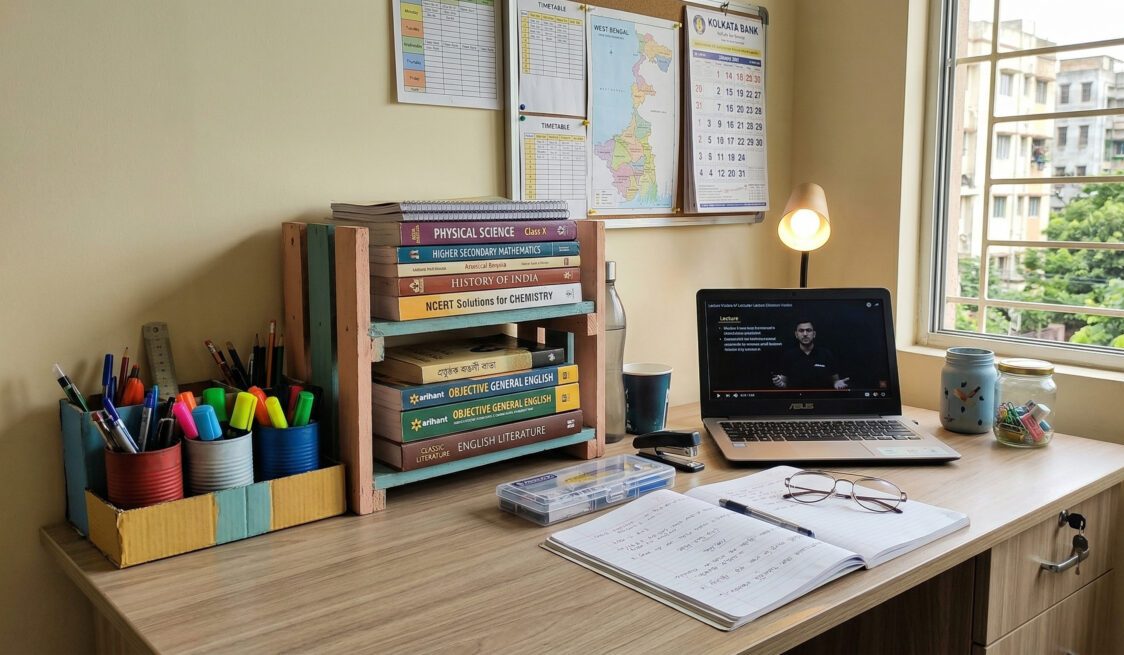

Many students genuinely study hard but still feel disorganised, jumping between subjects without a clear plan and often reviewing material inefficiently simply because there is no coherent system tying their individual study sessions together into a coherent overall strategy. Building a genuine study system, rather than treating each study session as an isolated, disconnected event — the essential idea behind an approach like study plus — makes a significant difference in both learning efficiency and, importantly, the day-to-day stress levels of exam preparation.
The foundation of any effective study system is a realistic, sustainable planning structure that accounts for the actual total volume of material to be covered against the actual time genuinely available before an exam. Many students either avoid planning entirely, studying reactively based on whatever feels most urgent on a given day, or create unrealistically ambitious study schedules that inevitably fall apart within the first week, ultimately generating discouragement rather than genuine structure. A sustainable plan typically breaks a subject into manageable, specific sections, allocates realistic time to each based on both their complexity and length, and deliberately builds in buffer time for the inevitable unexpected disruptions and delays that any multi-week study plan needs to accommodate.
Note-taking methods deserve more deliberate thought than most students give them, since the specific approach used significantly affects how useful those notes actually are during later review sessions, sometimes weeks or months after they were originally taken. Methods that require active processing and genuine summarisation in the student’s own words during the initial note-taking process — rather than simply transcribing content verbatim from a textbook or lecture — tend to produce considerably more useful, genuinely comprehensible notes for later review, precisely because the act of restating information in one’s own words requires and reinforces actual understanding at the time notes are being taken.
Organising study materials systematically by subject and topic, with clear, consistent labelling, might seem like a minor administrative detail, but it genuinely affects study efficiency in ways students often underestimate until they experience the alternative. Time spent searching for scattered notes, or attempting to recall which specific source covered a particular concept, represents genuinely wasted study time that a small amount of upfront organisational effort could have entirely eliminated, and this wasted time compounds considerably over the course of an extended, multi-month exam preparation period.
Building in regular review checkpoints, rather than treating initial learning and later revision as entirely separate, disconnected phases of exam preparation, significantly improves long-term retention of studied material. A genuinely effective study system incorporates brief review of previously covered material on a predictable, recurring schedule, rather than deferring all review entirely until the days immediately before an exam, when there is typically far too much accumulated material to meaningfully revisit in the limited remaining time available before the actual test.
Tracking progress against a study plan, even informally, provides genuinely valuable feedback about whether the plan itself needs adjustment, and helps maintain motivation by making incremental progress visible and concrete rather than abstract. Simple methods — checking off completed topics, or maintaining a straightforward log of what was studied each day — provide enough visibility to catch a plan that has fallen significantly behind schedule early enough to make meaningful, practical adjustments, rather than only discovering the shortfall in the final stressful days before an exam.
Balancing subjects appropriately within an overall study system matters considerably, since students often unconsciously gravitate toward spending disproportionate time on subjects they already find comfortable and genuinely enjoy, while systematically under-preparing for subjects they find more difficult or simply less engaging. A deliberate, balanced study system consciously counteracts this natural tendency, allocating study time based on an honest, ongoing assessment of genuine need across all subjects rather than based purely on personal comfort or preference for any single subject.
Rest and recovery deserve explicit, deliberate inclusion within any genuinely sustainable study system rather than being treated as an afterthought or a reward only available once all planned studying has been fully completed. Students who build in appropriate, planned breaks and adequate rest tend to sustain focus and genuine motivation considerably better over an extended, multi-week or multi-month exam preparation period than those who attempt to study continuously without any planned recovery time, which frequently leads to eventual burnout and a meaningful decline in actual study effectiveness during the final, most critical weeks before an exam.
Ultimately, a well-designed study system transforms studying from a series of disconnected, reactive individual sessions into a coherent, cumulative process where each study session genuinely builds meaningfully on the ones that came before it. This kind of systematic, deliberate approach consistently produces considerably better exam outcomes, and importantly, a genuinely less stressful overall preparation experience, than an unstructured approach relying purely on effort and motivation alone without any coherent underlying organisational system.