

The Origins of Goosebumps
Goosebumps is a wildly popular children’s horror series written by R.L. Stine, first launched in 1992. The series introduced millions of young readers to age-appropriate scares, blending suspense, humor, and supernatural twists in short, fast-paced books designed for middle-grade readers. With over 400 million copies sold worldwide, Goosebumps remains one of the best-selling children’s book series in history.
What Makes Goosebumps Books Distinctive
Each Goosebumps book is a standalone story, usually under 150 pages, featuring young protagonists who encounter something eerie, whether it’s a haunted house, a cursed object, or a monster lurking close to home. Stine became known for his signature twist endings, often delivering a final unexpected scare on the very last page, a technique that became a defining trademark of the series.
Fan-Favorite Original Series Titles
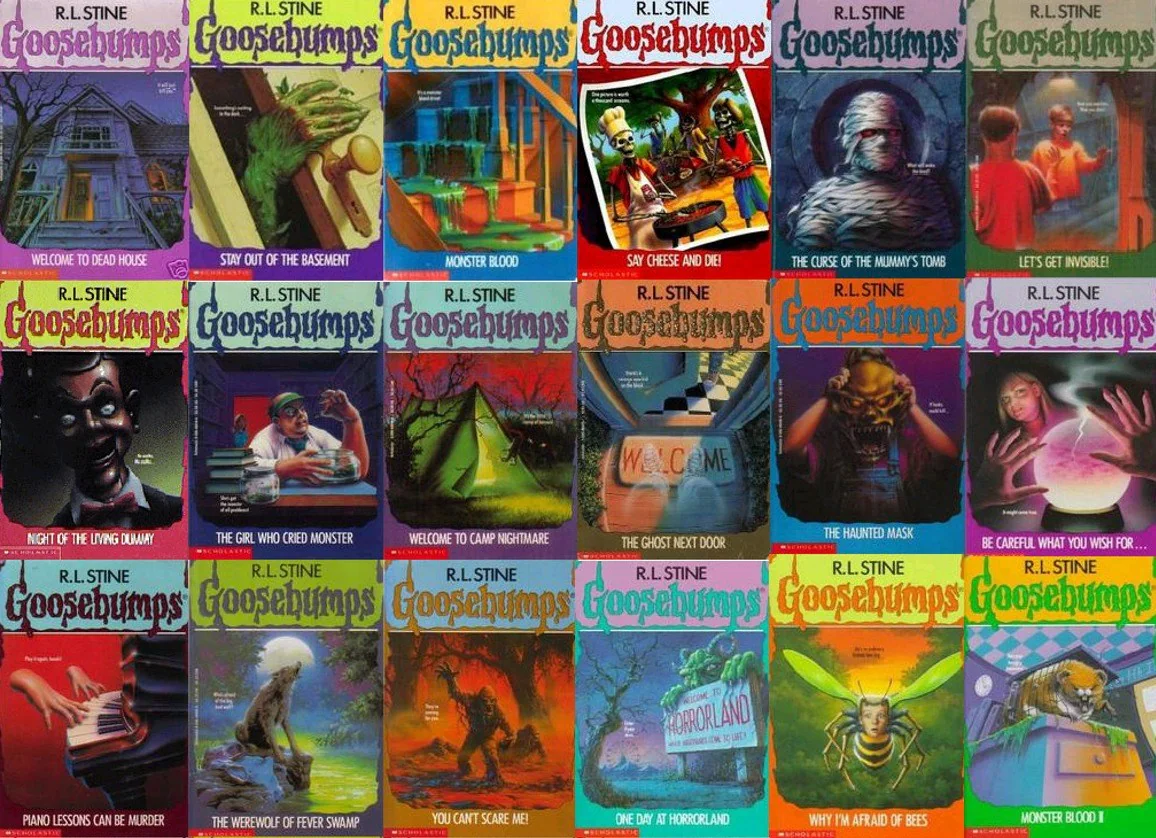
Some of the most iconic entries in the original series include Welcome to Dead House, Night of the Living Dummy, The Haunted Mask, Say Cheese and Die!, and Goosebumps’ most famous villain introduction, Slappy the ventriloquist dummy. Other beloved titles like The Werewolf of Fever Swamp, It Came from Beneath the Sink!, and A Night in Terror Tower helped establish the wide variety of horror tropes the series would explore across its run.
Goosebumps Spin-Off Series
Beyond the original numbered series, R.L. Stine created several spin-offs to keep expanding the Goosebumps universe. Goosebumps HorrorLand introduced a connected theme-park setting tying multiple books together, while Give Yourself Goosebumps offered choose-your-own-adventure-style books that let readers decide how the story unfolds. There is also Goosebumps SlappyWorld, which centers many stories around the franchise’s most popular recurring villain.
Reading Order and Where to Start
Because nearly every Goosebumps book is self-contained, there is no strict reading order required to enjoy the series. New readers are often encouraged to start with fan favorites like Night of the Living Dummy or The Haunted Mask, both of which introduce recurring characters and themes that appear throughout later books, before branching out into the wider catalog based on personal interest in specific horror tropes like haunted houses, monsters, or curses.
Goosebumps in Other Media
The franchise’s popularity extended well beyond books, with a long-running television series in the 1990s, feature films starring Jack Black as a fictionalized version of R.L. Stine, and a more recent television reboot. These adaptations have helped introduce the franchise to new generations of kids who might not have grown up during the original book series’ peak popularity in the 1990s.
Why Goosebumps Still Resonates With Young Readers
Goosebumps succeeded by finding a careful balance: scary enough to feel thrilling, but never so intense that it becomes inappropriate for its target age group. That balance, combined with short chapters and constant cliffhangers, has made the series an effective tool for building reading confidence in kids who might otherwise be reluctant readers, while giving them a taste of horror storytelling in a safe, controlled way.
R.L. Stine’s Broader Body of Work
While Goosebumps remains his most famous creation, R.L. Stine has written extensively beyond the series, including the young adult horror line Fear Street, which is aimed at slightly older readers and features more mature, higher-stakes storylines. Fear Street gained a new wave of popularity following its Netflix film trilogy adaptation, introducing Stine’s broader catalog to readers who may have started with Goosebumps as children and were ready for a slightly more intense follow-up.
Collecting the Original Goosebumps Series
With over 60 books in the original numbered series alone, many parents and collectors look for complete boxed sets rather than purchasing titles individually, both for cost savings and shelf presentation. Vintage 1990s printings with the original cover art have also become popular among adult collectors who grew up with the series, adding a nostalgic secondary market interest on top of the franchise’s continued popularity with new generations of young readers.
Using Goosebumps to Build Reading Confidence
Teachers and reading specialists frequently point to Goosebumps as an effective tool for reluctant readers because the combination of short chapters, high suspense, and predictable structure keeps kids motivated to finish a full book, often for the first time. That early sense of accomplishment can be a turning point for children who previously struggled to stay engaged with longer texts, making the series valuable well beyond its entertainment value alone.
Choosing the Right Goosebumps Book for a Child’s Fears
Because different kids respond to different types of scares, it can help to match a first Goosebumps title to a child’s specific interests or comfort level, such as choosing a monster-focused book for a child who loves creatures, or a haunted house story for one who enjoys ghost stories. Starting with a milder title and gauging a child’s reaction is a useful way to introduce the series without overwhelming a more sensitive young reader right away, and librarians are often a helpful resource for matching specific titles to a child’s comfort level.