

Introduction
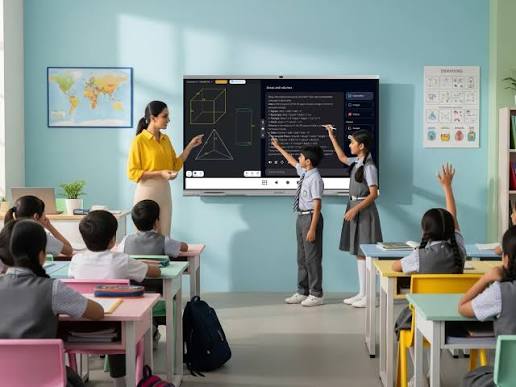
If you searched for educationscreens.com, you are likely trying to understand the large interactive digital displays that are quickly replacing blackboards in Indian classrooms. Walk into almost any modern school or coaching institute in India today, and you will notice something that was rare just a decade ago — a large interactive display standing where the old blackboard used to be. These are commonly known as education screens, and resources like educationscreens.com are helping parents, teachers, and school administrators understand how they are reshaping how teachers teach and how students learn. From metro cities to small towns, schools are replacing chalk and duster with touch-enabled digital panels that bring lessons to life through video, animation, and interactivity.
In this article, we will explore what education screens actually are, why they have become so popular in India, their key benefits, the different types available, and what schools should keep in mind before investing in one.
What Are Education Screens?
Education screens, sometimes called smart boards, interactive flat panels, or smart class displays, are large touch-sensitive digital screens used in classrooms instead of traditional whiteboards. They connect to a computer or have a built-in operating system, allowing teachers to display presentations, videos, diagrams, and interactive content. Students can also interact directly with the screen by touching, writing, or dragging elements, which makes lessons far more engaging than a static textbook page.
Most education screens today support internet connectivity, screen mirroring from mobile phones or laptops, built-in educational software, and cloud storage, so teachers can save and reuse lesson content across classes.
Why Education Screens Are Gaining Popularity in India
India’s education sector has seen a rapid digital shift over the last few years, accelerated by the pandemic-era push toward online and hybrid learning. Government initiatives such as Digital India and the National Education Policy 2020 have also encouraged schools to adopt technology-driven teaching methods. As a result, both private and government schools are increasingly installing education screens in classrooms.
Parents, too, have started expecting schools to offer tech-enabled learning environments, seeing it as a mark of quality education. This growing demand has led to a surge in Indian and international brands offering affordable interactive panels tailored to the Indian education market.
Key Benefits of Education Screens
- Better Engagement: Visual and interactive content keeps students more attentive than a plain lecture. Diagrams, 3D models, and videos help explain complex topics like chemical reactions or historical events far more effectively than text alone.
- Multi-Sensory Learning: Education screens combine visuals, audio, and touch, catering to different learning styles. This is particularly helpful for younger students and those who struggle with traditional textbook learning.
- Time-Saving for Teachers: Teachers can prepare digital lesson plans once and reuse them across multiple classes or years, saving significant preparation time compared to writing notes repeatedly on a chalkboard.
- Real-Time Assessment: Many education screens come with built-in quiz and polling tools, allowing teachers to instantly check how well students have understood a topic and adjust their teaching accordingly.
- Access to Global Content: With internet connectivity, teachers can pull in resources from anywhere in the world — educational videos, live data, or interactive simulations — enriching the curriculum beyond what a textbook offers.
- Reduced Dependence on Paper: Digital lesson delivery reduces the need for printed handouts and worksheets, supporting more sustainable school operations.
Types of Education Screens Used in Schools
- Interactive Flat Panels (IFPs): The most common type, combining a large LED display with touch functionality.
- Smart Projectors with Interactive Boards: A more budget-friendly option where a projector displays content on a whiteboard fitted with touch sensors.
- All-in-One Smart Class Kits: These come pre-loaded with curriculum-aligned content, often used by smart class solution providers in Indian schools.
- Tablet-Based Classroom Systems: Used in some modern classrooms where each student has an individual device linked to a central teacher screen.
Challenges Schools Should Consider
While education screens offer many advantages, schools should also be mindful of a few challenges. The upfront cost of quality interactive panels can be high, especially for smaller institutions. Teachers also need proper training to use these tools effectively, as simply installing a screen without adequate orientation can lead to underutilisation. Additionally, a stable internet connection and regular maintenance are necessary to keep these systems running smoothly.
Tips for Choosing the Right Education Screen
Schools looking to invest in education screens should consider screen size relative to classroom dimensions, touch accuracy and responsiveness, built-in educational software and content libraries, after-sales support and warranty from the vendor, and compatibility with existing devices like laptops and tablets. Comparing a few vendors and requesting live demonstrations before purchase is generally a good practice.
Conclusion
Education screens are no longer a luxury reserved for elite schools — they are gradually becoming a standard part of Indian classrooms as schools compete to offer richer, more interactive learning experiences. When used well, they can significantly improve student engagement, simplify lesson delivery, and prepare students for a more digital future. As adoption grows, education screens are likely to become as common in Indian schools as the whiteboard once was. For more updates and buying guides on classroom technology, keep educationscreens.com bookmarked.