

Why Educational Programming Matters in Daycare Selection
Not all daycares are built the same when it comes to educational content, and the difference between a facility that simply supervises children and one that actively supports early learning can meaningfully affect a child’s kindergarten readiness. Research on early childhood development has consistently shown that structured, developmentally appropriate programming during these formative years supports stronger long-term outcomes in literacy, numeracy, and social-emotional skills.
Common Curriculum Approaches to Look For
- Montessori-based programs emphasize independent, hands-on learning through carefully designed materials and child-led exploration.
- Reggio Emilia-inspired programs treat the child as an active participant in their own learning, often organized around long-term, project-based exploration of a topic.
- Play-based curricula prioritize learning through structured and unstructured play, considered developmentally appropriate for very young children.
- HighScope and similar research-based curricula combine structured routines with child-initiated activities, guided by specific developmental milestones.
- Faith-based or values-focused programs incorporate specific religious or cultural content alongside standard early learning objectives.
Signs of Genuine Educational Quality During a Visit
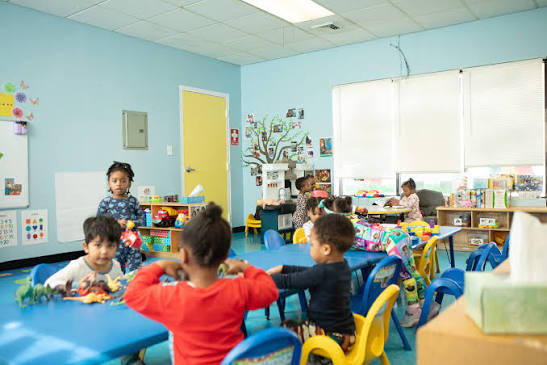
When touring a potential daycare, look beyond a clean facility and friendly staff to actual evidence of learning in action: are children engaged in age-appropriate activities, is there visible evidence of a structured daily routine, and do staff talk knowledgeably about specific developmental goals rather than vague generalities? Classroom walls displaying children’s work, learning centers organized by activity type, and staff actively engaging with kids rather than simply supervising are all positive signs.
Questions to Ask During a Daycare Tour
Asking directly about the specific curriculum the daycare follows, staff-to-child ratios, teacher qualifications and turnover rates, and how the program tracks and communicates a child’s developmental progress gives parents much more concrete information than a general sense of whether the space “feels right.” It’s also worth asking how the daycare handles the transition to kindergarten, since strong programs typically have specific school-readiness benchmarks they work toward.
Staff Qualifications and Training
A daycare’s educational quality is closely tied to its staff’s training and qualifications, since even a well-designed curriculum depends on teachers capable of implementing it effectively. Looking for facilities where lead teachers hold relevant early childhood education credentials, and where ongoing professional development is part of the program’s culture, offers a meaningful signal about the consistency of educational quality a child is likely to receive.
Balancing Educational Rigor With Developmentally Appropriate Play
It’s worth being cautious of daycare programs that lean too heavily into academic drilling for very young children, since research on early childhood development generally supports play-based and hands-on learning over rote academic instruction at this stage. The strongest programs tend to balance structured learning objectives with genuine, child-led play rather than treating daycare as an early substitute for formal elementary schooling.
Final Thoughts
Choosing a daycare with strong educational programming means looking past surface-level impressions to genuine evidence of a structured, developmentally appropriate curriculum, qualified staff, and a program that balances academic-adjacent learning with the play-based approach young children need most. Asking specific, curriculum-focused questions during a tour remains one of the most reliable ways to evaluate a daycare’s actual educational quality before enrolling.