
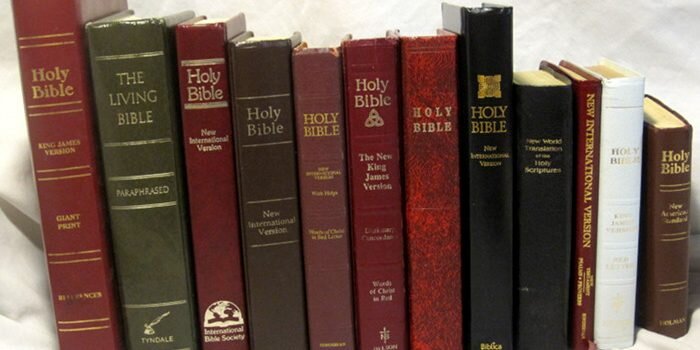

How the Bible Is Organized
The Bible is divided into two major sections: the Old Testament and the New Testament. The Old Testament contains 39 books in most Protestant Bibles, while the New Testament contains 27 books, bringing the total to 66 books in the standard Protestant canon. Catholic and Orthodox Bibles include additional books, known as the deuterocanonical or apocryphal books, which are placed within or alongside the Old Testament depending on the tradition. Understanding the order of these books helps readers navigate scripture and understand how the overall narrative fits together.
The Old Testament Books in Order
The Old Testament begins with the five books of the Torah, or Pentateuch: Genesis, Exodus, Leviticus, Numbers, and Deuteronomy. These are followed by the historical books, including Joshua, Judges, Ruth, 1 and 2 Samuel, 1 and 2 Kings, 1 and 2 Chronicles, Ezra, Nehemiah, and Esther. Next come the wisdom and poetic books: Job, Psalms, Proverbs, Ecclesiastes, and Song of Solomon. The Old Testament concludes with the prophetic books, split into the major prophets (Isaiah, Jeremiah, Lamentations, Ezekiel, and Daniel) and the twelve minor prophets, from Hosea through Malachi.
The New Testament Books in Order
The New Testament opens with the four Gospels: Matthew, Mark, Luke, and John, which recount the life and teachings of Jesus Christ from different perspectives. This is followed by Acts of the Apostles, which chronicles the early growth of the Christian church. Next come the Pauline epistles, letters attributed to the apostle Paul, including Romans, 1 and 2 Corinthians, Galatians, Ephesians, Philippians, Colossians, 1 and 2 Thessalonians, 1 and 2 Timothy, Titus, and Philemon. These are followed by the general epistles: Hebrews, James, 1 and 2 Peter, 1, 2, and 3 John, and Jude. The New Testament, and the Bible as a whole, ends with the Book of Revelation.
Why the Order Isn’t Strictly Chronological
It’s a common misconception that the books of the Bible appear in the exact order the events happened. In reality, the order reflects a combination of genre and tradition rather than strict chronology. For example, the book of Job is believed by many scholars to be one of the oldest texts in the Bible, yet it appears well into the Old Testament because it is grouped with the wisdom literature rather than placed by date. Similarly, Paul’s epistles are generally arranged by length rather than the order in which they were written.
Differences Between Catholic, Protestant, and Orthodox Bibles
While the New Testament order is consistent across nearly all Christian traditions, the Old Testament varies. Catholic Bibles include seven additional books, known as the deuterocanonical books, such as Tobit, Judith, Wisdom, Sirach, Baruch, and 1 and 2 Maccabees, along with additions to Esther and Daniel. Eastern Orthodox Bibles include these plus a few additional texts. Protestant Bibles, following the Reformation-era canon, exclude these books, which is why the total count differs between traditions.
Tips for Reading the Bible in Order
Many readers find that reading straight through from Genesis to Revelation can be difficult, since the middle sections of the Old Testament include detailed genealogies and legal codes. An alternative approach many find easier is a chronological or thematic reading plan, which reorders the text by historical timeline or groups related books together, such as reading all the Gospels together or pairing prophetic books with the historical events they reference.
Using This List as a Reference
Whether preparing for a Bible study, teaching a class, or simply looking for a quick reference, knowing the order of the books of the Bible makes it much easier to locate specific passages and understand where a given book fits within the larger structure of scripture. Keeping this order in mind also helps clarify how different genres, from law to poetry to prophecy to epistle, work together across the full text.
How the Books Were Grouped by Genre
Scholars generally group the Old Testament into four broad categories: the Law (Genesis through Deuteronomy), History (Joshua through Esther), Wisdom and Poetry (Job through Song of Solomon), and Prophecy (Isaiah through Malachi). The New Testament follows a similar logic, opening with the four narrative Gospels, moving into the historical account of Acts, continuing through doctrinal and pastoral letters, and closing with the apocalyptic vision of Revelation. Understanding this genre-based structure makes it far easier to know what kind of content to expect from any given book before opening it.
Common Questions About Bible Order
Readers often ask why the prophetic books, which describe events chronologically earlier than some historical books, appear near the end of the Old Testament. The answer lies in canonical tradition rather than timeline: Jewish and Christian scholars organized scripture by genre and theological function centuries ago, and that structure has remained largely consistent since. Similarly, questions about why certain epistles appear before others in the New Testament are best explained by length and audience, since Paul’s letters to churches are grouped before his letters to individuals, and longer letters generally precede shorter ones within each group.