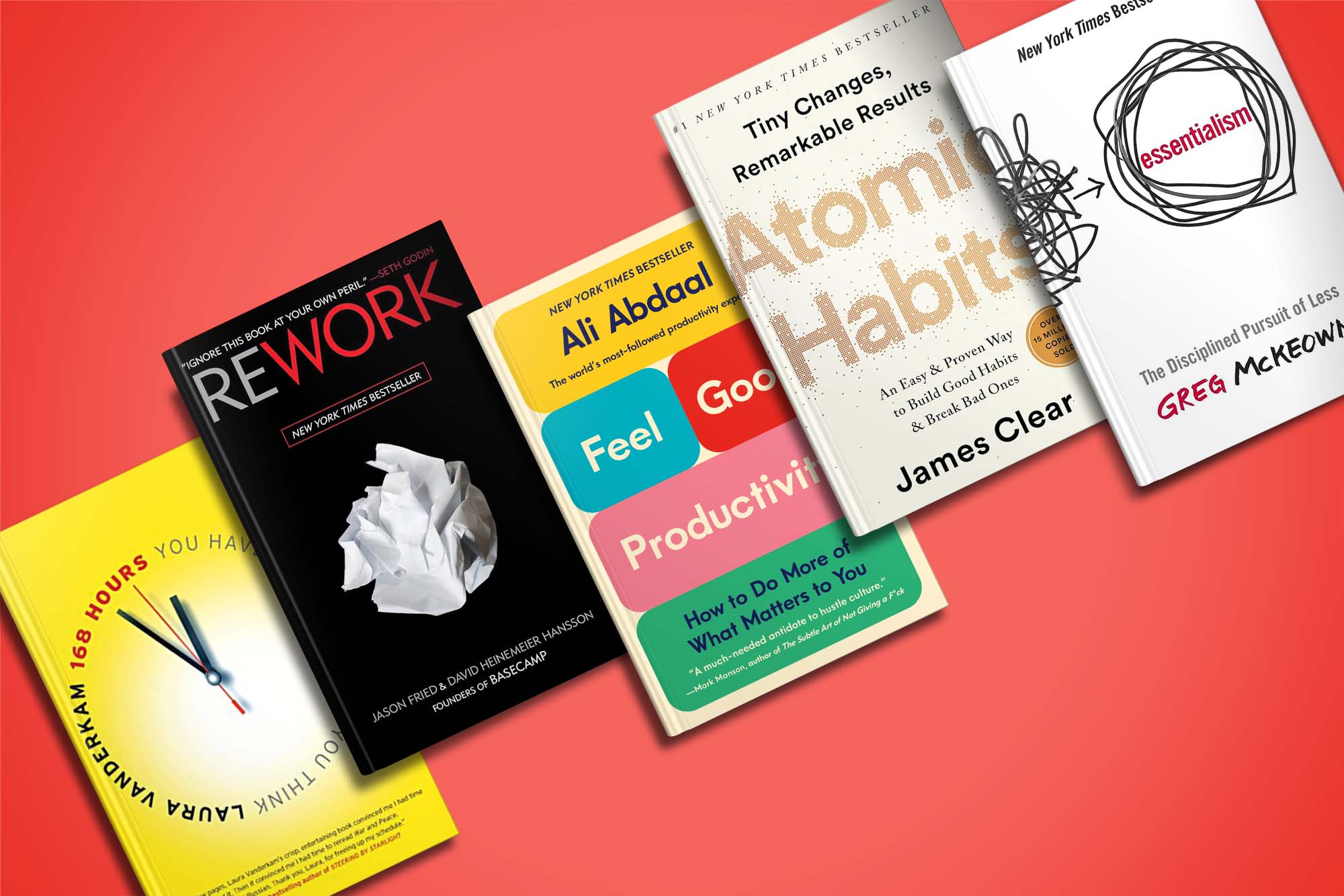
Productivity as a genre of non-fiction has produced a remarkable number of genuinely influential books over the past several decades, each offering a somewhat different lens on how to work more effectively, manage time and attention, and build sustainable habits. For readers trying to navigate this crowded genre, understanding what distinguishes the most significant titles helps identify which book is most likely to address a reader’s specific, individual challenges.
“Atomic Habits” by James Clear has become perhaps the most widely read productivity book of the past decade, and for good reason. Rather than focusing on grand, dramatic transformations, the book builds its entire framework around small, incremental habit changes and the compounding power of consistency over time. Clear’s core insight — that identity-based habits, built around who someone wants to become rather than simply what they want to achieve, tend to stick far better than goal-based approaches — has genuinely reshaped how many readers think about personal change and habit formation.
“Deep Work” by Cal Newport addresses a genuinely different but equally important productivity challenge: the increasing difficulty of sustained, focused concentration in an environment saturated with digital distraction. Newport argues persuasively that the ability to focus without distraction on cognitively demanding tasks has become an increasingly rare and valuable skill, offering practical strategies for building this capacity deliberately rather than assuming it will develop naturally amid constant digital interruption.
“Getting Things Done” by David Allen remains a foundational text in productivity literature, introducing what’s become known as the GTD methodology for capturing, organizing, and processing tasks and commitments. The book’s central insight — that mental clarity and reduced anxiety come from trusting an external system to track commitments, rather than relying on memory alone — continues to influence task management approaches and software design nearly two decades after its original publication.
“The 7 Habits of Highly Effective People” by Stephen Covey takes a notably different, more foundational approach compared to tactical productivity books, focusing instead on character and principle-based effectiveness rather than specific techniques or systems. Covey’s framework, built around habits like beginning with the end in mind and prioritizing important over merely urgent tasks, has remained genuinely influential across multiple generations of readers precisely because it addresses underlying values and priorities rather than surface-level tactics alone.
“Essentialism” by Greg McKeown offers a valuable counterpoint to productivity advice that simply encourages doing more, arguing instead for the disciplined pursuit of less but genuinely better focused effort. The book’s central argument — that trying to do everything ultimately means doing nothing particularly well, and that genuine effectiveness comes from ruthlessly prioritizing what truly matters — resonates strongly with readers feeling overwhelmed by competing demands and diffuse priorities.
“The One Thing” by Gary Keller and Jay Papasan builds around a deceptively simple central question: what’s the one thing that, if accomplished, would make everything else easier or unnecessary? This focusing question, applied consistently across both daily tasks and longer-term goals, offers a genuinely practical antidote to the scattered, reactive approach to work that many readers recognize in their own daily experience.
“Eat That Frog” by Brian Tracy addresses procrastination directly and practically, built around the central metaphor of tackling one’s most difficult or important task first thing, before easier or more comfortable tasks can consume available time and energy. The book’s genuinely practical, no-nonsense approach has made it a consistently popular recommendation for readers specifically struggling with procrastination and task prioritization.
For readers trying to choose among these genuinely different but complementary books, matching book selection to specific current challenges tends to work better than reading indiscriminately across the entire genre. Readers struggling with consistency and habit formation will likely find “Atomic Habits” most immediately useful, while those struggling with digital distraction and shallow, fragmented work might benefit more from “Deep Work.” Readers feeling scattered across too many competing priorities might find “Essentialism” or “The One Thing” more directly relevant to their actual situation.
Ultimately, productivity books work best not as passive reading material but as sources of specific, testable strategies that readers actively experiment with in their own daily lives. No single book’s system works identically well for everyone, and the most genuinely productive readers tend to be those who thoughtfully adapt ideas from multiple sources into a personalized system that fits their own specific work, temperament, and genuine priorities.