
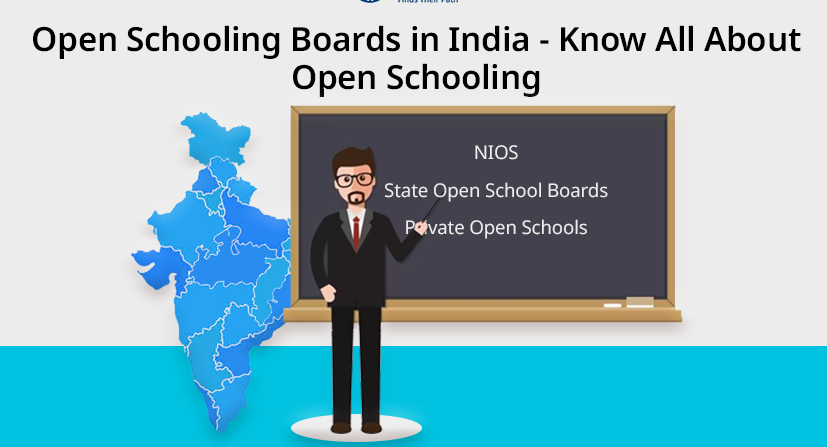

Open schooling has become an increasingly important educational pathway in India, offering flexible, self-paced alternatives to traditional classroom-based schooling for students who, for various reasons — competitive sports training, health considerations, homeschooling preferences, or simply needing a more flexible academic pace — cannot follow a conventional school schedule. For students and parents weighing options in this space, understanding the practical differences when comparing nios or bbose study paths helps clarify which specific open schooling board genuinely fits a given student’s particular circumstances and future goals.
The National Institute of Open Schooling, commonly known as NIOS, was established in 1989 under India’s Ministry of Education and operates as the country’s national-level open schooling board, meaning its certificates carry recognition across every state and virtually every educational institution and employer nationally. As one of the largest open schooling systems in the world, NIOS has decades of established operational history, extensive subject offerings, and broad institutional recognition, including formal acceptance for admission purposes by central universities and professional institutes across the country.
BOSSE, the Board of Open Schooling and Skill Education, represents a newer entrant in India’s open schooling landscape, offering an alternative pathway with its own recognition framework, including membership in the Council of Boards of School Education in India. While BOSSE offers genuine flexibility similar to NIOS and has built recognition through various channels, students and parents considering this option should carefully verify the specific recognition status relevant to their particular future plans, since newer boards generally have a shorter track record and potentially narrower, still-developing recognition compared to the considerably more established and universally recognised NIOS system.
Recognition scope represents perhaps the most consequential factor when comparing open schooling boards, particularly for students with specific future plans involving competitive examinations, government employment, or international education. NIOS certificates benefit from broad, long-established recognition, including specific acceptance for eligibility purposes across major Indian competitive examinations and by government employers nationally, along with reasonably strong international recognition for students who may pursue education or employment opportunities abroad. Students considering any newer or state-specific open schooling board should specifically verify, ideally directly with their intended future institution or examination body, that their chosen board’s certification will actually be accepted for that particular specific purpose.
Curriculum flexibility is a defining, shared feature across open schooling generally, distinguishing it meaningfully from traditional board education. Students typically have meaningful choice over which specific subjects to study within broader guidelines, can often appear for individual subject examinations across multiple examination cycles rather than needing to clear all subjects simultaneously within a single sitting, and can generally progress through their studies according to a genuinely self-determined pace rather than a fixed academic calendar shared uniformly across all enrolled students.
For students balancing intensive commitments outside traditional academics — professional sports training, performing arts pursuits, or other significant time-consuming activities — this flexibility offers a genuinely practical pathway to complete secondary and senior secondary education without the rigid daily attendance requirements of conventional schooling. This flexibility has made open schooling, and NIOS specifically, a particularly popular choice among young athletes and performers who need to accommodate demanding training schedules alongside ongoing academic requirements.
Regional language support varies meaningfully between different open schooling options, with many state-specific open school boards offering stronger regional language content and instruction compared to NIOS, which while offering some regional language options, has historically maintained a stronger overall emphasis on Hindi and English medium instruction across most of its offerings. Students who specifically require education in a particular regional language, and for whom this regional language instruction represents a genuine priority, may find certain state-specific boards better suited to this particular specific need despite NIOS’s generally broader overall recognition.
Cost considerations across open schooling options in India remain generally favourable compared to private conventional schooling or dedicated coaching institutes, with most open schooling boards, including both NIOS and various state and newer alternative boards, maintaining relatively affordable fee structures specifically designed to keep this educational pathway genuinely accessible to a broad range of students, including those from lower-income backgrounds who might otherwise struggle to complete formal secondary education through conventional schooling channels.
Ultimately, the choice between NIOS and alternative open schooling boards like BOSSE should be guided primarily by a student’s specific future plans and requirements — the depth and universality of recognition genuinely needed, any particular regional language considerations, and the specific subject offerings relevant to individual academic or career goals — rather than by convenience or marketing claims alone. For most students without highly specific, narrow requirements, NIOS’s considerably longer established track record and broader, well-documented recognition generally represents the safer, more universally accepted choice, though newer boards like BOSSE may genuinely suit certain specific circumstances and should not be dismissed without individual consideration of a student’s particular situation and goals.
Before finalising a decision, prospective students and parents are well advised to directly verify the current recognition status of any open schooling board with the specific university, employer, or examination body relevant to their future plans, since recognition frameworks can evolve over time, and confirming current, specific acceptance directly with the relevant institution provides considerably more certainty than relying solely on general claims made by the schooling board itself or by third-party comparison articles.